DATE: 2022
LOCATION: Ianca [RO]
ROLE: Technical Coordination & Communication Lead
PARTNERS & INSTITUTIONAL SUPPORT: National Administration of Cultural Funds / National Institute of Heritage / Ianca Museum Association / Brăila ‘Carol I’ Museum / Brăila County School Inspectorate / ‘Angel Kanchev’ University of Ruse
TOPICS: Digital heritage / Museum innovation / Heritage education / / Multistakeholder engagement / Cross-cultural cooperation / Capacity building
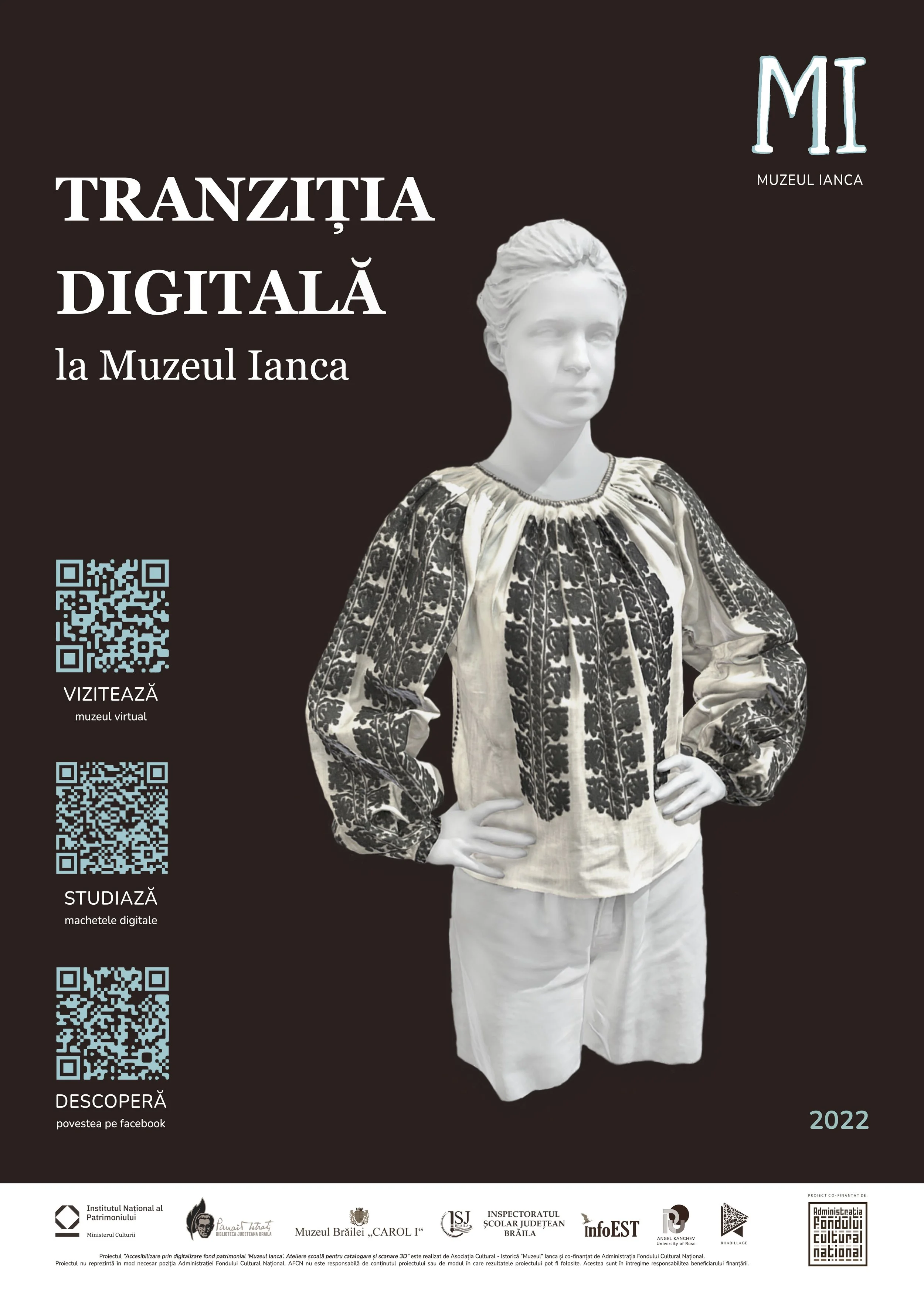
The project ‘Accessibilitation through digitisation of the Ianca Museum’s collections. School Workshops for documenting and 3D scanning’ was carried out by the Cultural Association ‘Ianca Museum’, with Rhabillage Associationin being charge of the technical coordination and the implementation of the communication strategy.
The actions foreseen in the project were articulated through a bi-directional approach to valorise the material cultural heritage, aiming on the one hand, to make the available cultural fund accessible through the latest generation of digital technologies, and on the other hand, to empower a new generation of specialists in the field of IT, in the area of design of digital products and services, with a focus on the cultural museum sector.
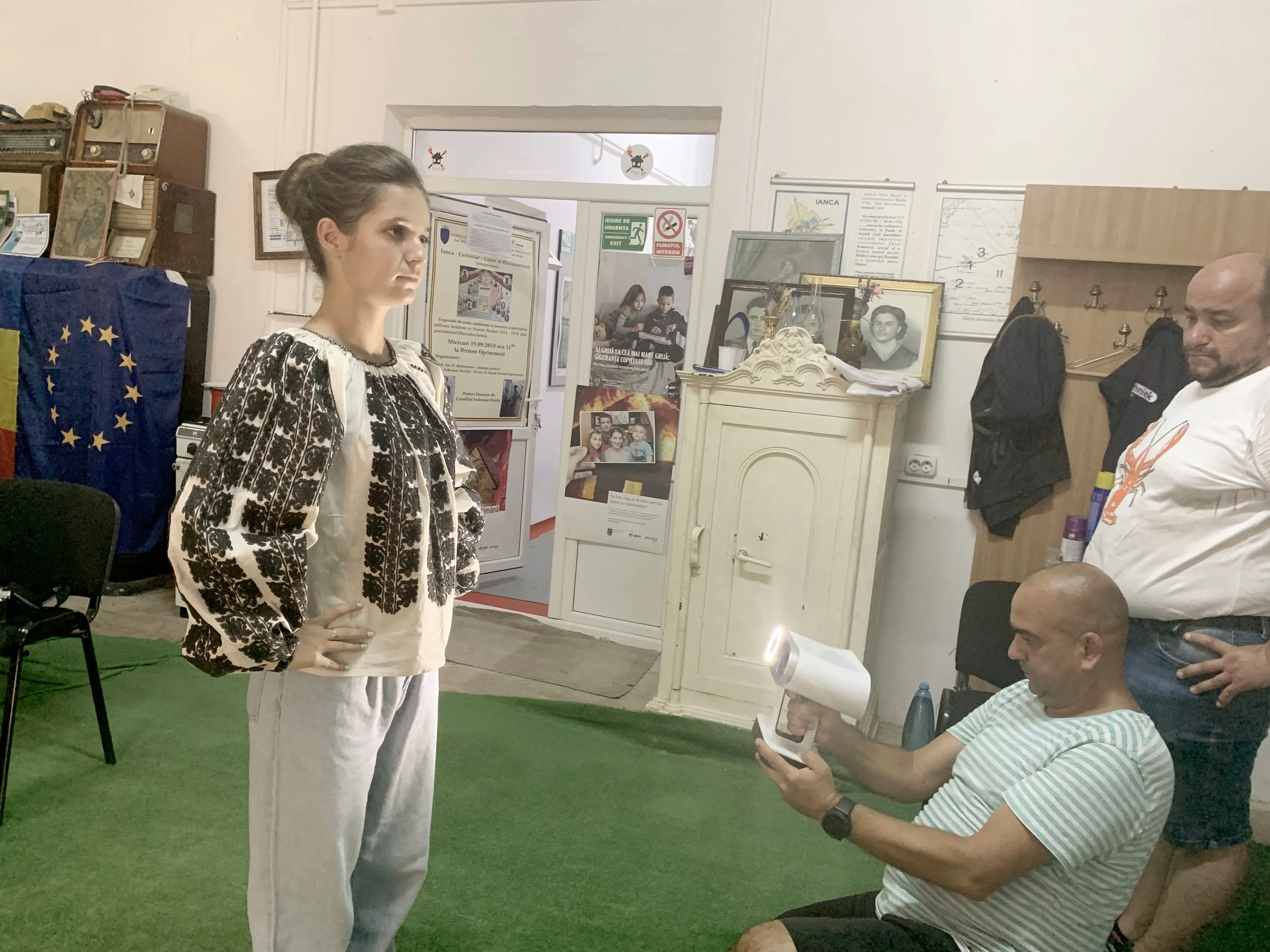
The 3D scanning and high-resolution photoshooting of the historical artefacts was carried out on-site, with the assistance of specialized staff within the institution, under the guidance of specialists from Bulgaria, from the Faculty of Telecommunications and with the participation of a team specialized in photographic documentation.
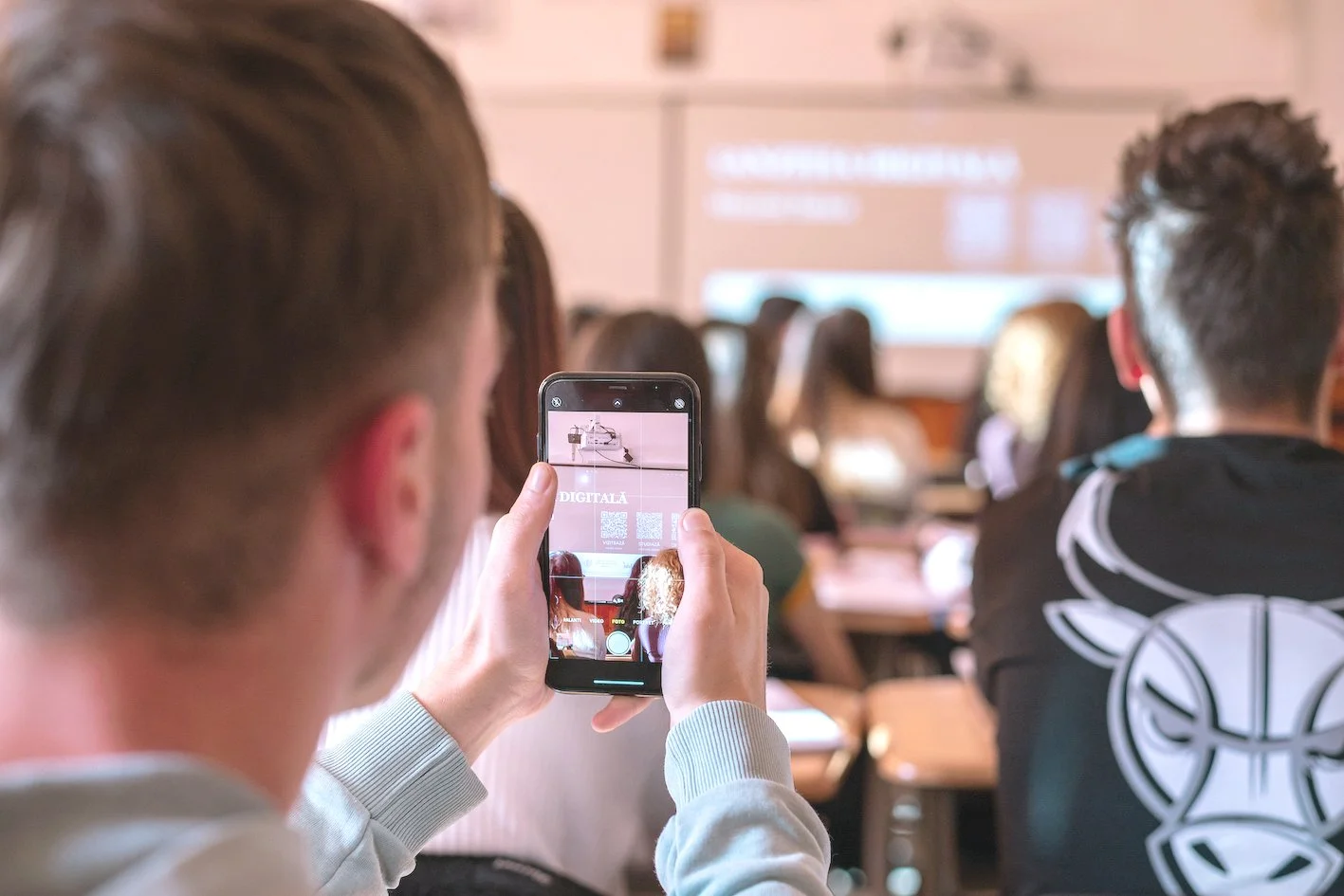
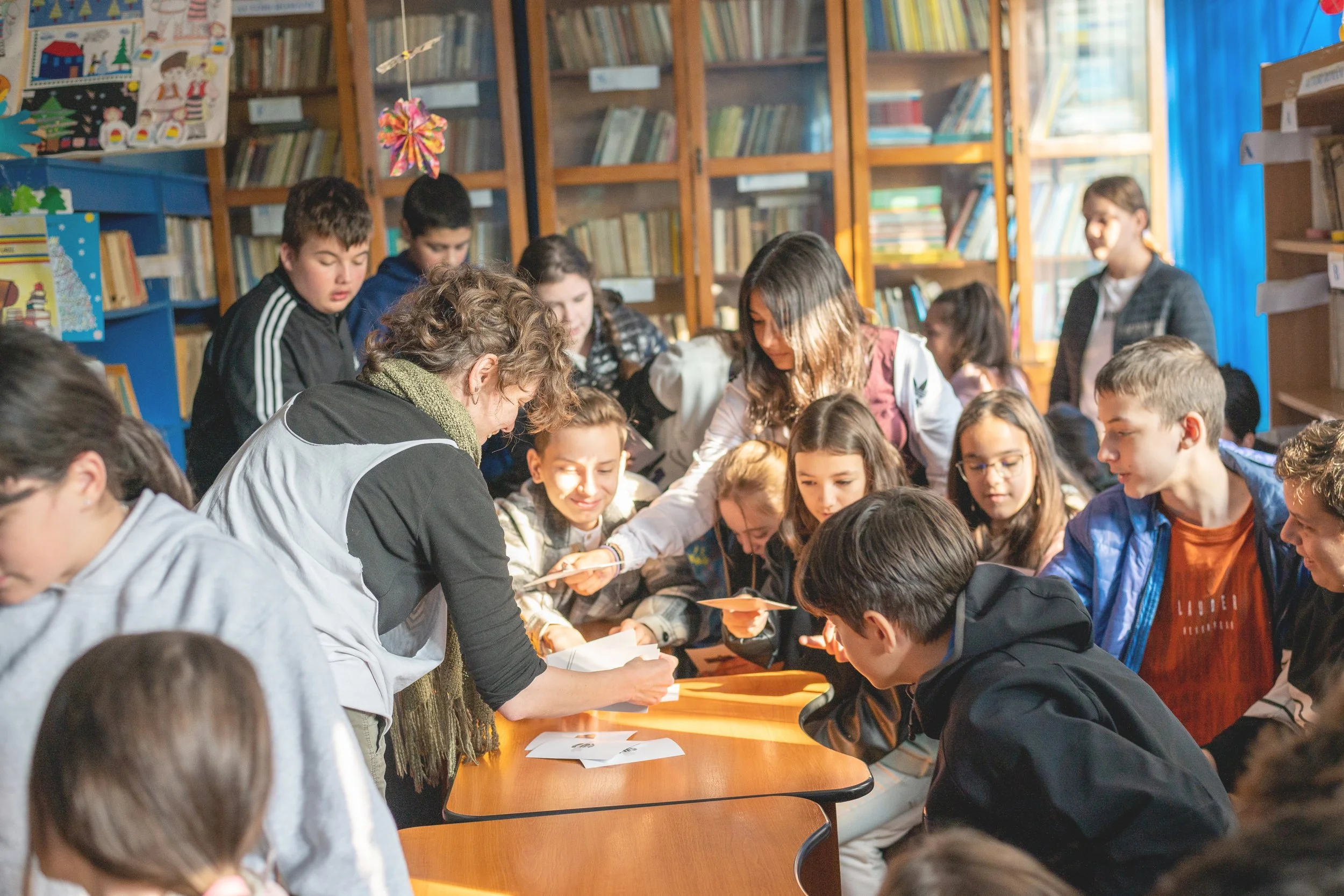
The participating highschoolers and students were involved in all the activities of the workshops, actively contributing to the digitization, processing and communication actions, together with the coordinators and the other partners of the project.
The project connected museum professionals, heritage specialists, educators, IT and digital-design experts, students and cultural institutions from Romania and Bulgaria. Its activities extended beyond digitisation into professional training and public education, including school presentations and a public debate on digital heritage, small museums and the potential of digitisation to generate new cultural and economic resources.