DATE: 2010-2011
LOCATION: Bucharest
ROLE: Initiator & Project Lead
PARTNERS & INSTITUTIONAL SUPPORT: The Union of Architects in Romania / The French Embassy in Romania / The French Institute in Bucharest
TOPICS: Heritage research & documentation / Knowledge transfer / Multistakeholder engagement / Local identity & sense of place / Cross-cultural cooperation / Heritage-led urban development
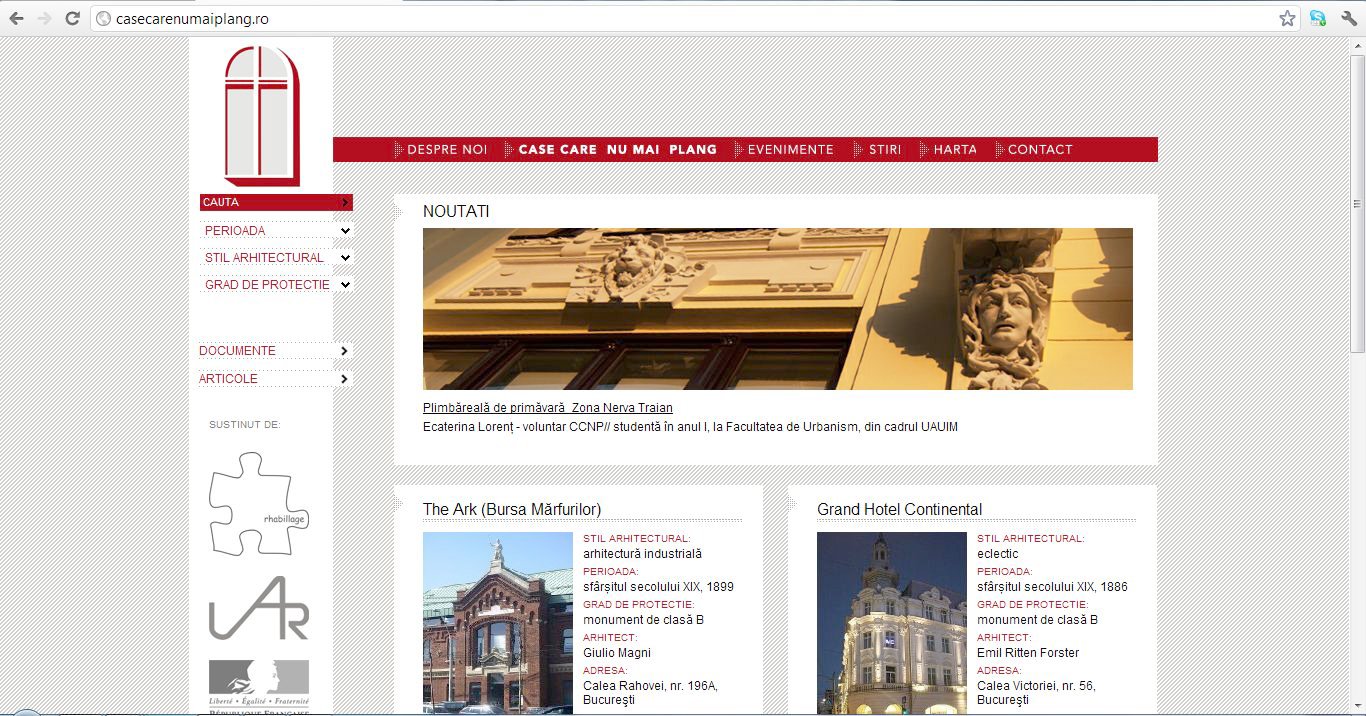
Developed in 2010 as a follow-up to CASE CARE PLÂNG / MOURNING HOUSES, CASE CARE [NU MAI] PLÂNG / [NOT] MOURNING HOUSES shifted the focus from documenting endangered heritage to identifying and sharing models of successful architectural rehabilitation in Bucharest.
A field study identified approximately 400 houses rehabilitated over the previous 10–15 years. Following a technical selection, 100 examples were documented and published as references for good practice. Six projects were explored in greater depth through documentary research, archival investigation and interviews with owners, investors and architects, examining the different implications and approaches involved in their rehabilitation.
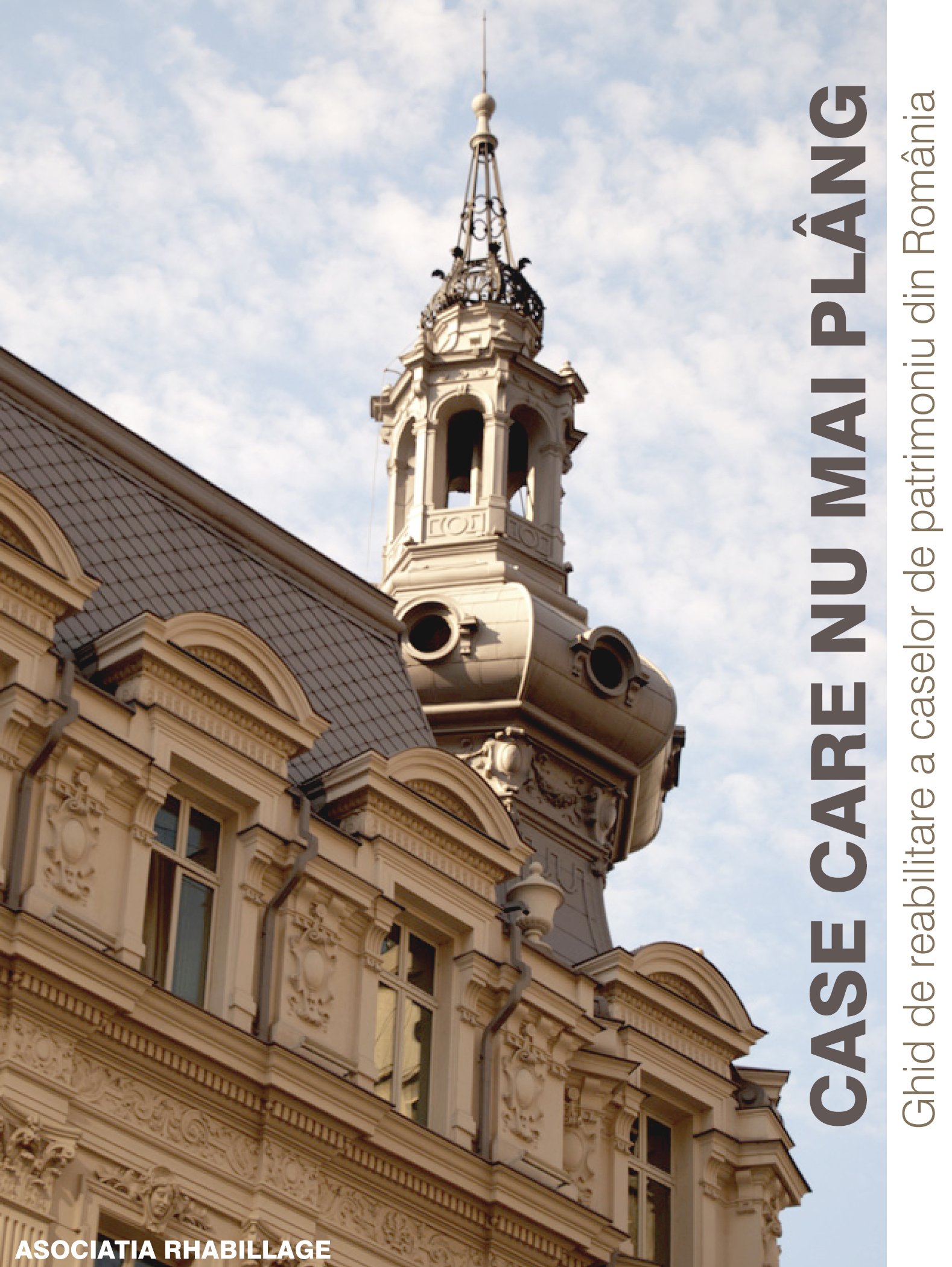
The project also produced a draft Rehabilitation Guide, bringing together the findings of both CASE CARE PLÂNG and CASE CARE [NU MAI] PLÂNG as a basis for a future publication. Addressing investors, civil society and public authorities, the guide outlined practical and legislative references for the restoration, rehabilitation and adaptive improvement of buildings with historical or architectural value. It also introduced international urban rehabilitation models, including Brussels’ Contrats de Quartier, as potential references for larger-scale local action.